
Transform Your Recovery With Pre- and Postoperative Physical Therapy
One of our patients, who we’ll call Michael, was a middle-aged teacher with a passion for hiking. He faced an unexpected challenge when a sharp pain in his knee turned into a persistent problem, affecting not only his favorite outdoor activities but also his ability to stand comfortably in front of his classroom.
After several consultations, an MRI revealed a torn meniscus requiring surgery. The prospect of surgery was a big concern to Michael, who had never faced such a significant medical procedure. However, his orthopedic surgeon recommended a comprehensive approach to ensure the best possible outcome: engaging in pre- and postoperative physical therapy.


The Road to Surgery: Preoperative Physical Therapy
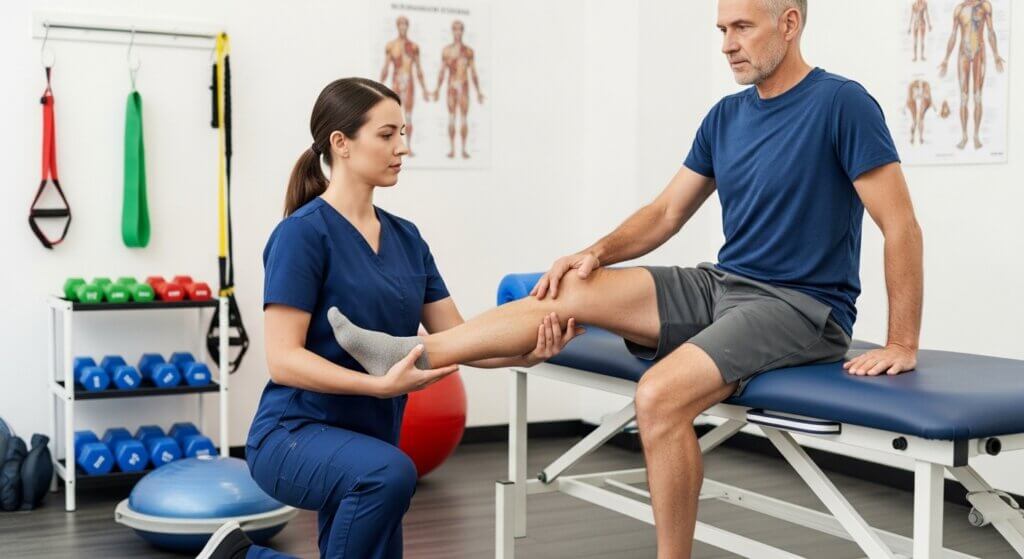
Understanding the importance of being in optimal physical condition for the surgery, Michael was referred to Millennium Physical Therapy for preoperative care. Our goal was to maximize his range of motion and strengthen his knee as much as possible before the surgery to aid his recovery.
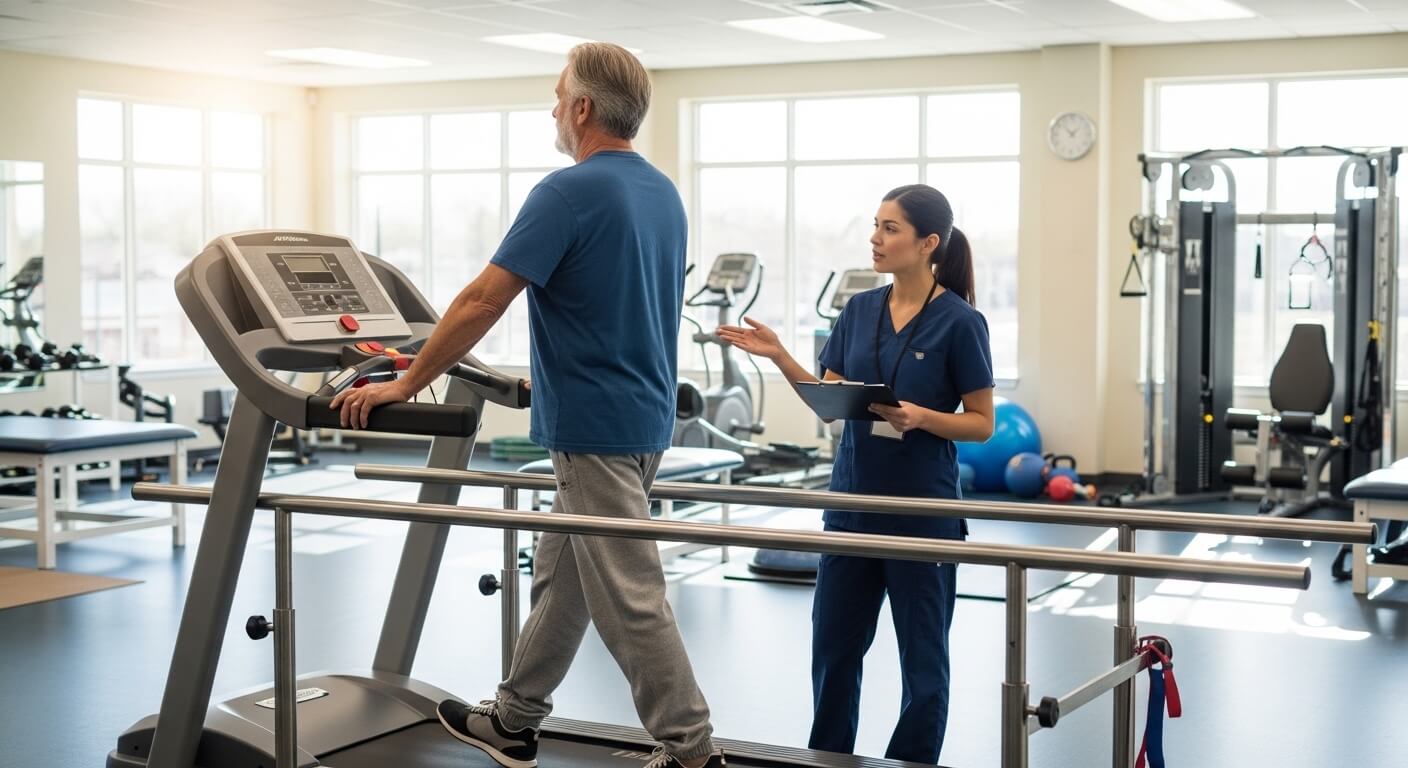
Michael met with one of our physical therapists, who explained how pre-surgical physical therapy could make a significant difference in his recovery process. His therapist tailored a program focusing on building strength, improving his mobility, and getting him as prepared as possible for surgery and the recovery afterward.
Preoperative physical therapy sessions included a variety of exercises designed to enhance the stability of Michael’s knee alongside manual therapy techniques to free up restrictions, mobilize his knee, and help manage his pain.
His therapist also educated Michael about how to best prepare mentally and physically for post-surgery rehabilitation. This proactive approach helped Michael enter the surgery with a stronger knee and equipped him with the knowledge and confidence needed to face his recovery.

Navigating Recovery: Postoperative Physical Therapy
After the surgery, Michael’s journey to recovery began with postoperative physical therapy. The first few sessions focused on managing pain and reducing swelling. These are crucial steps to ensure a solid foundation for more intensive rehabilitation. His physical therapist guided Michael through the following treatments:
- Range of Motion Exercises: To gradually increase knee range of motion.
- Strengthening Exercises: Targeting the quadriceps, hamstrings, and calf muscles to support knee stability.
- Swelling and Pain Management: Using compression and elevation to reduce swelling and pain.
- Manual Therapy: Soft tissue massage and joint mobilizations improve joint function and decrease pain.
- Gait Training: To improve walking patterns and ensure proper weight distribution and knee alignment.
- Balance and Proprioception Training: Exercises that help restore balance and knee joint position are crucial for preventing re-injury.
- Functional Training: Focused on returning to daily activities and specific sports or hobbies with proper form and without pain.
One of the pivotal aspects of Michael’s postoperative care was the personalized attention he received. His therapist continuously adjusted his plan based on his progress, ensuring each exercise was challenging and achievable. This customization was crucial, as it kept Michael motivated and engaged in his recovery, even on days when progress seemed slow.
Postoperative therapy also included education on proper movement patterns to prevent future injuries and ensure the longevity of his knee’s health. Michael learned how to adjust his daily activities to protect his knee and support its healing.
Exercise of the Month
Lower Trunk Rotations
(Lower Back, Core)
Start by lying face up on the floor with your knees bent. Allow your knees to slowly drop to one side. Your lower back should rotate, but your shoulders should stay flat on the ground. Hold for 30 seconds. Bring your knees back up and then drop them to the opposite side. 2 Sets, 2 Reps.
The Impact of Comprehensive Physical Therapy
The benefits of Michael’s commitment to both pre-and postoperative physical therapy were clear; not only did his recovery timeline exceed expectations, but he also experienced a significant improvement in his knee’s functionality compared to before the surgery.
Michael’s dedication to his therapy and his therapist’s expertise transformed his recovery into a journey of personal growth and resilience. The knowledge he gained about injury prevention and physical wellness became integral to his daily life, influencing his return to hiking and his approach to physical activity in general.
A Return to the Trails
After his rehab ended, Michael stood at the base of his favorite hiking trail, ready to tackle it again. This moment was the culmination of hours of physical therapy, perseverance, and the unwavering support of his therapist. As he ascended the trail, each step was a testament to the importance of comprehensive physical therapy in recovery from surgery.
Michael’s experience underscores the transformative potential of pre- and postoperative physical therapy at Millennium Physical Therapy. By engaging in targeted exercises before and after surgery, patients can accelerate their recovery and improve their overall physical function and quality of life!
Sources: https://journals.sagepub.com/doi/10.1177/0269215510380830, https://www.ncbi.nlm.nih.gov/pmc/articles/PMC7146095/

Physical Therapy vs. Surgery: A Non-Invasive Approach to Meniscus Tears
Physical therapy offers a promising alternative to surgery for managing meniscus tears, especially for those cases where the tear is mild to moderate or when the patient’s lifestyle does not demand aggressive physical activity.
At Millennium Physical Therapy, our approach is grounded in the body’s natural healing ability, emphasizing pain management, improved mobility, and strengthening of the knee joint and surrounding muscles.
Here’s why our programs can be a better option for individuals with meniscus tears:
- Non-Invasive: Physical therapy is a non-invasive treatment that eliminates risks associated with surgical procedures, such as infections, complications, and the potential for anesthesia-related issues. You can avoid the risks and stress of undergoing surgery with our programs.
- Pain and Swelling Reduction: Physical therapy techniques effectively manage pain and reduce swelling, which are key components of the recovery process.
- Improved Mobility and Strength: Our tailored treatments focus on restoring range of motion and strengthening the muscles around the knee. This not only aids in the healing of the meniscus tear but also contributes to the overall stability and functionality of the knee, potentially preventing future injuries.
- Cost-Effective: Physical therapy is often more cost-effective than surgery. It eliminates the expenses associated with the surgical procedure itself and post-operative care.
- Promotes Long-Term Knee Health and Prevention: Beyond immediate recovery, physical therapy educates patients on proper knee care and exercises that support long-term joint health. This preventive aspect helps avoid further injuries and can improve overall physical fitness.
For many individuals with meniscus tears, physical therapy at Millennium Physical Therapy offers an alternative to surgery. Our approach addresses the immediate injury and promotes long-term knee health without the risks and costs associated with surgery!
Sources: https://evidence.nejm.org/doi/full/10.1056/EVIDoa2100038, https://pubmed.ncbi.nlm.nih.gov/23506518/
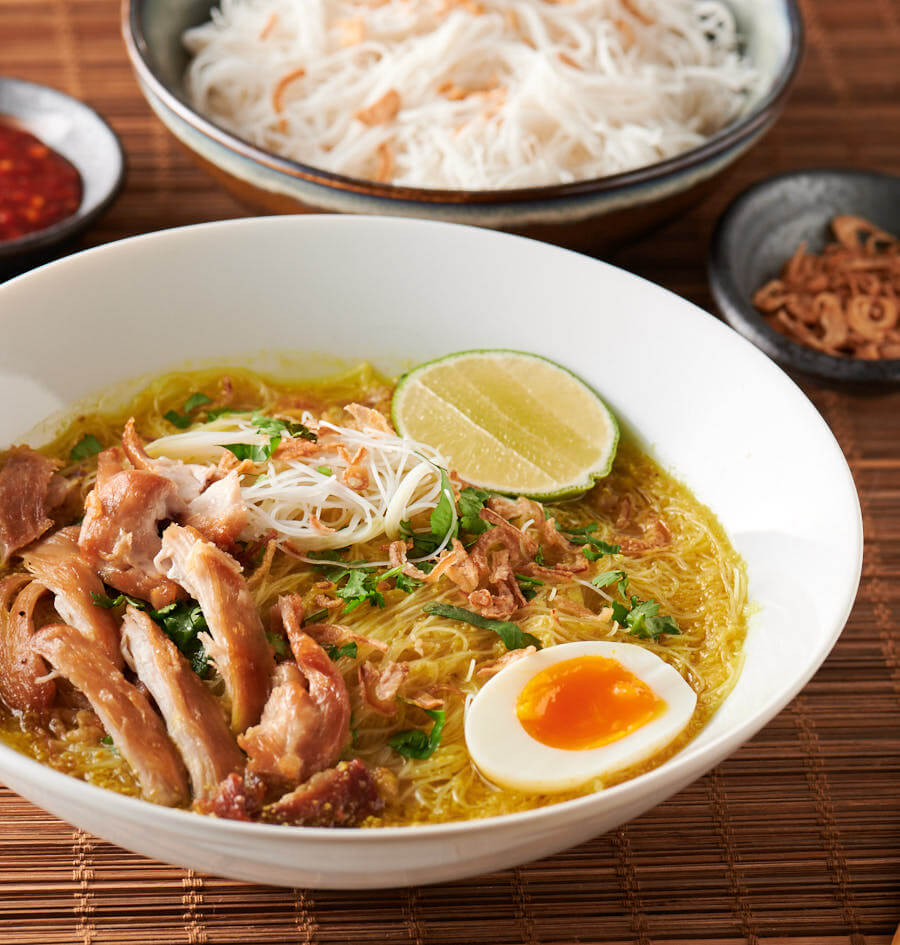
Recipe of the Month: Soto Ayam – Indonesian Chicken Noodle Soup
Soto Ayam is a comforting Indonesian chicken soup with a rich, aromatic broth infused with turmeric, lemongrass, and spices. Served with vermicelli noodles, shredded chicken, and vibrant toppings, this dish is light yet full of bold flavors.
Ingredients:
- 8 chicken thighs (skin removed)
- 8 cups chicken stock, no sodium (homemade is ideal here)
- 1 stalk lemongrass (cut into 3 pieces and bruised)
- 3 makrut lime leaves
- 1 tsp salt
- Vegetable oil (for shallow frying)
The Spice Paste:
- 1 cup shallots (roughly chopped to the size of garlic cloves)
- 5 cloves garlic (chopped)
- 1 inch fresh ginger (peeled and chopped)
- 1 tbsp macadamia nuts (a great substitute for traditional candlenuts)
- 1 ½ tsp coriander powder
- ½ tsp turmeric powder
- ½ tsp black pepper
- ½ cup coconut milk
- 3 tbsp vegetable oil
The Soto Ayam Assembly:
- The reserved stock from cooking the chicken
- 12 oz rice vermicelli noodles
- 4 large eggs
- Fresh cilantro, chopped (to garnish)
- Fried shallots (to garnish)
- Sambal oelek (to serve)
- Lime wedges (to serve)
Instructions:
1. Poach the Chicken
Combine the chicken stock, makrut lime leaves, lemongrass, and salt in a large pot. Bring to a gentle simmer.
Add the skinless chicken thighs and simmer until they reach an internal temperature of 170°F (about 15–20 minutes). Keep it at a gentle simmer with little bubbles; do not boil.
Remove the chicken from the broth, blot dry with paper towels, and set aside to cool. Turn off the heat under the broth for now.
2. Make the Spice Paste
While the chicken simmers, heat a splash of oil in a small skillet. Add the chopped garlic, shallots, and ginger. Fry until the shallots soften and begin to brown.
Transfer the sautéed garlic, shallots, and ginger to a blender. Add the macadamia nuts, coriander, turmeric, pepper, and coconut milk. Puree until smooth to create your spice paste.
Heat 3 tbsp of oil in a pot over medium heat. When the oil shimmers, add the blended paste. Cook, stirring constantly, for about 5 minutes.
Turn the heat down to medium-low and cook for another 2 minutes until the oil starts to separate at the edges.
Scrape this cooked paste into your resting chicken broth and stir well to combine.
3. Fry and Shred the Chicken
Heat about 2 cups of oil in a large frying pan (enough to hold 4 chicken thighs at a time). A splatter guard is highly recommended here!
Fry the poached chicken thighs for 2–3 minutes per side just to get a nice brown crust—don’t overcook them.
Remove, set aside to cool, and repeat with the remaining thighs. Once cool enough to handle, pull the meat off the bone and shred it.
4. Boil the Eggs
Bring a small saucepan of water to a boil (use enough water to cover the eggs by one inch).
Carefully lower the eggs into the water and set a timer for exactly 7 minutes.
After 7 minutes, immediately transfer the eggs to an ice water bath to stop the cooking process. This yields a perfect medium-boiled egg. Peel them, but wait to slice them.
5. Assemble the Bowls
The Noodles: Fully submerge the rice vermicelli in the hottest tap water you can get. Let it sit for 5 minutes, then drain and rinse with cold water. (This prevents them from turning to mush in the hot soup!)
The Broth: Bring your seasoned chicken broth back to a lively simmer. Taste it carefully—it will likely need another ½ to 1 full teaspoon of salt. Season to your preference.
To Serve: Divide the softened rice noodles among 4 bowls. Top with the shredded chicken, fried shallots, and cilantro. Pour about 2 cups of the hot broth into each bowl.
Carefully slice the medium-boiled eggs in half and add one egg (two halves) and a lime wedge to each bowl.
Serve immediately, letting everyone add sambal oelek to their desired spice level.
Serves 4 | Prep time: 20 minutes | Cook time: 1 hour