
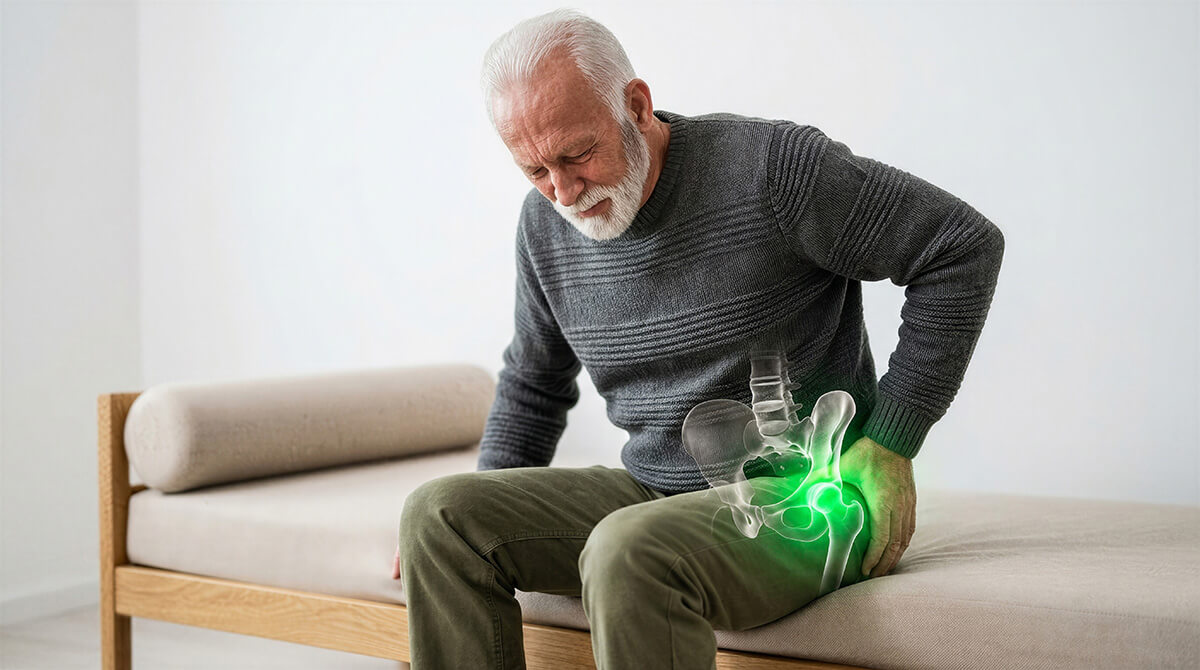
Donna is one of the 53.2 million Americans living with arthritis. Until recently, she was also one of the many arthritis patients who weren’t physically active due to their symptoms. The persistent pain in her knee kept her from hobbies she’d always enjoyed, but now she loves to garden and explore local walking trails with her friends. And she didn’t even have to undergo surgery!
What changed? The answer is simple: Donna visited the team at Millennium Physical Therapy. We helped her understand her condition, including the fact that staying sedentary was making her symptoms worse. We also created a customized treatment plan to help her manage her pain, get active, and get back to the life she wanted to live.
Whether you’re living with osteoarthritis, rheumatoid arthritis, or another inflammatory joint condition, we’ll work hard to find a solution that meets your needs. All you need to do to get started is call to schedule an appointment.
In the meantime, check out these five suggestions for managing arthritis pain from our physical therapists.
How to Manage Arthritis Symptoms (Without Drugs or Surgery)
Stay Active
Getting enough exercise is one of the best things you can do to manage your arthritis symptoms. If you have osteoarthritis, this might be a surprise since OA pains often occur when you move the joint. Fortunately, our physical therapists can help you find low-impact exercises that won’t put extra pressure on your joints.
But Don’t Forget to Rest
While physical activity is crucial in managing arthritis, you need to be careful not to overdo things. Striking a balance between more intense activities (like weightlifting) and periods of active recovery (like walking) will help keep your joints happy.
Eat a Healthy Diet
Swapping out ultra-processed foods for a diet rich in fruits, vegetables, and whole grains can help control the inflammation that contributes to arthritis symptoms.
Find a Pain Management Strategy
You don’t have to depend on pain medication to manage your symptoms. Self-massage techniques, hot and cold therapy, and gentle stretches can all help reduce pain levels. Our therapists can provide suggestions!
Get Organized
To maximize your treatment from our physical therapists, keep careful track of your symptoms. When do you feel pain? Where do you feel pain? Do you have any mobility restrictions? How would you describe your pain level? This information will help us create the best possible treatment plan for your needs.

But Don’t Forget to Visit Millennium Physical Therapy, Either!
As musculoskeletal experts, our team of physical therapists can give you the expert guidance you need to address your arthritis symptoms. We offer two main benefits: additional pain management techniques and customized, guided exercise programs.
How We Help Manage Pain
In addition to showing you self-management options, we offer several pain management approaches in our clinic.
Manual therapy techniques, such as joint mobilizations or soft tissue manipulation, help reduce pain, promote blood circulation, and improve mobility restrictions. We often kick off sessions with a round of manual therapy to help prepare your body for exercise.
Depending on your needs, we might also suggest other pain-relieving modalities, such as ultrasound therapy or electrical stimulation.
How We Help You Exercise Smarter
When managing arthritis pain, pretty much any low-impact exercise will do wonders. However, targeted exercise also plays an important role in addressing pain.
For example, mobility exercises will help improve your joint’s range of motion, making movement easier overall. Targeted strength training focuses on improving the strength of the muscles surrounding your impacted joint, which helps support and stabilize it, helping to minimize pain.
We can also help you get started with a general exercise program. If you’ve been inactive for a while, starting slowly is essential to avoiding injury. We can provide suggested exercises and durations based on your health history and activity level.
Finally, if your arthritis is in a weight-bearing joint (such as your hip or knee), it’s important that you improve your balance to minimize your fall risk — and we can help with that, too!
Call Us Today
No matter your specific needs, Millennium Physical Therapy is here to help you manage your arthritis symptoms. From personalized guidance to targeted exercise programs, we’ll find solutions that work for you.
Call us to schedule your initial consultation.
Request an AppointmentBridging
BRIDGING
Begin on your back. Bend your knees and keep your back flat on the ground. Gently, contract your abdominals and hold to keep your back flat as you move up into the bridge position. Remember to breathe. Gently, squeeze your butt muscles and lift your hips off the ground. The goal is to have your hips aligned with your knees and shoulders. Hold for 5 seconds.

7 Halloween Safety Tips for a Spooktacular Night
Halloween is a creepy-fun holiday for kids, but it can also be full of hazards for your little ghosts, witches, and superheroes.
You and your kids can have a safe Halloween by taking a few simple steps and staying vigilant. From costumes and trick-or-treating to driving and candy, these simple tips can help keep your family safe while still enjoying all the fun.
7 Simple Ways to Keep Halloween Safe
A little preparation can go a long way toward preventing injuries and helping your family enjoy a fun and memorable Halloween.
Carve Safely — or Not at All!
Children should never handle sharp knives, so parents and caregivers should always take responsibility for pumpkin carving.
For a safer alternative, let kids decorate pumpkins with paint and stickers instead of carving them. Just make sure any paint or decorating materials are nontoxic.
Make Costumes Safe
Costumes are the centerpiece of Halloween, but the wrong fit or design can increase the risk of trips and falls.
- Avoid baggy or dragging costume pieces.
- Choose bright or easily visible costumes.
- Avoid masks that limit peripheral vision.
- Choose comfortable, properly fitting shoes.
Be Seen on the Streets
Halloween means more pedestrians and more traffic. Make visibility a priority as your family heads out for trick-or-treating.
- Walk on sidewalks instead of in the street.
- Cross only at labeled crosswalks.
- Add reflective tape to costumes and bags.
- Carry glow sticks or flashlights.
- Use strollers or wagons for younger children.
Be Alert Behind the Wheel
Drivers have an extra responsibility on Halloween. Children are excited and may move unpredictably, so slow down and stay especially alert.
- Drive slowly through neighborhoods.
- Stay off your phone.
- Take extra time at crosswalks and intersections.
- Turn on headlights before it gets fully dark.
- Watch for children between parked cars.
Don’t Get Distracted
Excited kids can be less attentive and more unpredictable than usual. Adults need to stay focused and keep their attention on their surroundings.
Safety reminder: Keep your phone away while walking and avoid getting so caught up in conversations that you lose track of the kids around you.
Stick Together
If older kids are trick-or-treating without an adult, make sure everyone knows the plan before heading out.
- Agree on the route ahead of time.
- Stay together as a group.
- Never leave anyone alone.
- Stay aware of traffic and surroundings.
- Keep phones away while walking.
Avoid Tummy Aches
Halloween candy can be hard to resist, but too many sweets can lead to stomachaches, constipation, nausea, and vomiting.
Encourage kids to take it easy with their Halloween haul and monitor how much candy they eat during and after Halloween.
A little moderation can help keep the fun going long after trick-or-treating ends.
Don’t Forget to Have Fun!
Halloween is meant to be enjoyed. Take the right precautions, stay alert, and give your kids plenty of opportunities to enjoy the costumes, decorations, neighborhood fun, and family memories.
Safe + fun = a spooktacular Halloween!
Have a Safe & Spooktacular Halloween! 🎃
A little planning can help your family avoid common Halloween hazards while still enjoying the holiday. Stay alert, stick together, be visible, and most importantly, don’t forget to enjoy yourself!

Creamy Thai Carrot & Sweet Potato Soup
Ingredients
- 1 tbsp coconut oil
- 2 cups chopped yellow/sweet onion
- 2 cloves garlic, minced
- 1 tbsp minced fresh ginger
- 2 tbsp red curry paste
- 4 cups low-sodium vegetable broth, plus more if needed
- ¼ cup raw almond butter or peanut butter
- 3 cups diced peeled carrots
- 3 cups diced peeled sweet potatoes
- ½ tsp fine-grain sea salt
- Freshly ground black pepper
- Up to ¼ tsp cayenne pepper (optional, if you like spice)
Minced fresh cilantro
Fresh lime juice
Directions
- In a large pot, melt coconut oil over medium heat. Add onion, garlic, and ginger and sauté for 5-6 minutes until onion is translucent. Stir in curry paste.
- In a small bowl, whisk together some of the broth with almond butter until smooth. Add mixture to pot, along with carrots, sweet potatoes, salt, and remaining vegetable broth. Stir until combined.
- Bring soup to a low boil over medium-high heat and then reduce heat to medium-low. Cover and simmer for 15-20 minutes, until potatoes and carrots are fork-tender.
- Ladle soup carefully into a blender. You will likely have to do this in a couple of batches, depending on the size of your blender (never fill your blender past the maximum fill line).
- Being careful to avoid hot steam from the lid, blend on low and slowly increase speed until soup is completely smooth. Alternatively, you can use an immersion blender and blend the soup directly in the pot.
- Season with salt and black pepper to taste. For more spice, add ¼ tsp cayenne pepper, and blend again.
- Transfer soup back to pot and reheat if necessary. If desired, you can thin soup out with a bit more broth if it’s too thick for your preference.
- Ladle soup into bowls and top with minced cilantro, a squeeze of lime juice.
🍲 A Bowl Full of Comfort
Creamy sweet potatoes and carrots pair with fragrant ginger, garlic, red curry paste, and fresh lime for a cozy soup with plenty of color and flavor.